Mold After Fire Damage in Montbello, CO
Mold removed from wet drywall, insulation and sound framing after a fire in your Montbello property. Call 24/7 to start your moisture assessment and cleanup.
- Firefighting water traced
- Containment and HEPA filtration
- Wet materials assessed
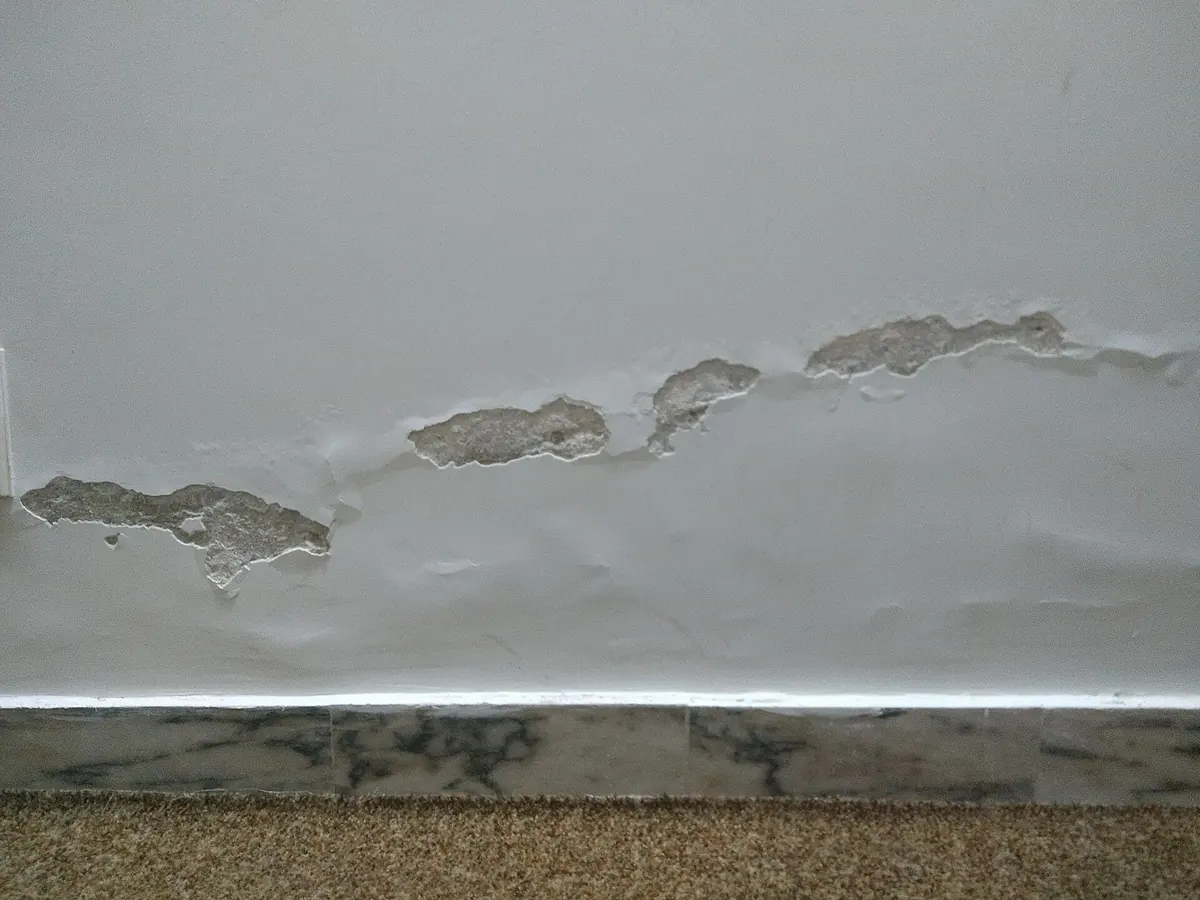
Mold After Fire Damage Services in Montbello
Where firefighting water reached your attic framing, ceilings, walls or floor layers, cleanup addresses mold. The work removes damaged materials and includes both drying and cleaning of sound surfaces.
Rooms spared by the flames can still get wet during firefighting. Moisture mapping traces damp insulation, drywall and hidden cavities, extending past the mold you can see.
Only areas cleared for entry remain accessible. Your scope documents mold removal separately from work on burned materials, fire restoration and cleaning soot.
- Checking firefighting water and the moisture source
- Contained drywall and insulation removal
- Sound framing and cavity cleaning
- Structural drying with moisture readings
- Final checks before replacement finishes
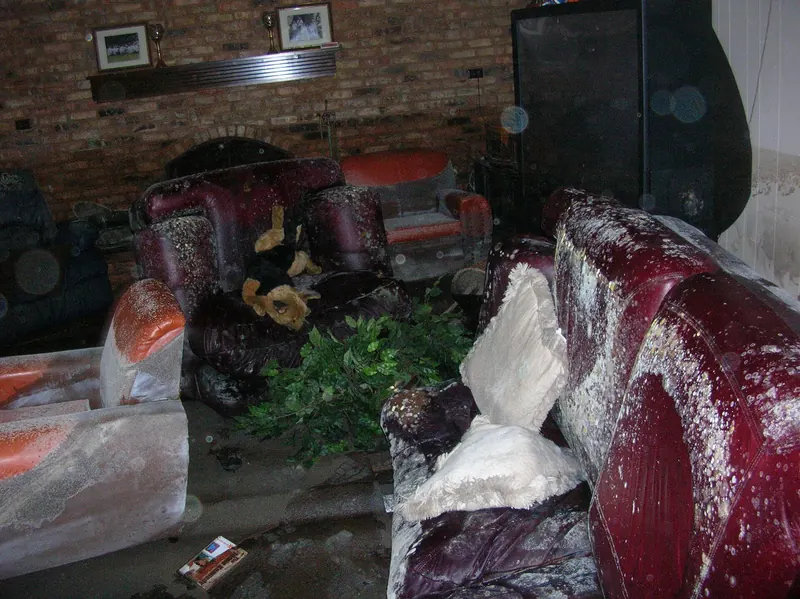
Recognizing the Need for Post-Fire Mold Cleanup in Montbello
After a fire, have growth, musty smells and damp areas assessed.
Cabinets and Floor Edges With Mold
You notice swelling or growth along flooring, cabinets or baseboards.
Musty Odor Beneath Smoke Odor
You still notice a musty smell despite fading smoke odor.
Damp Ceilings Below the Fire
Stained or soft ceilings can mark water trapped between floors.
Mold on Previously Wet Walls
Drywall or trim beyond the flames shows spotting after contact with firefighting water.
Wet Insulation Under Roof Openings
Water entry leaves insulation in your attic still damp.
Steps in Mold Cleanup After Fire Damage
Your cleanup moves from permitted access through removal, drying and verification.
Access and Mold Assessment
Room access depends on entry restrictions. Dampness is mapped using a moisture meter; a thermal imaging camera detects temperature variations, not mold.
Moisture Source and Cleanup Scope
Leaks and water paths receive assessment along with roof openings. Board-up and leak repair, plus smoke damage restoration and water removal, stay distinct from mold work in the scope.
Mold Containment and Filtration
The containment barrier consists of poly sheeting. To reduce spreading particles, work uses negative air pressure, protective equipment and a HEPA air scrubber.
Damaged Material Removal
Bagging takes place within containment for unsalvageable water-damaged materials and moldy insulation. Drywall removal exposes affected cavities, and a protected route is used for debris.
Framing and Surface Cleaning
Sound framing and non-porous surfaces receive HEPA vacuum cleaning and appropriate damp cleaning. Antimicrobial treatment cannot substitute for removal, while cleaning soot is a separate task.
Structural Drying
Controlled air movers and dehumidification assist the drying process. Adjustments to drying equipment follow moisture readings as continuing water entry is fixed.
Mold Cleanup Verification
Post-remediation verification checks cleaning and drying. Specified clearance testing is completed by an independent assessor.
Containment Removal and Repair Handoff
Containment comes down after final cleaning and verification. Replacement finishes follow moisture corrections and any necessary fire and water damage repairs.
Your Choice for Mold After Fire Damage: Why Denver Mold Cleanup
Calls Answered 24/7
Nights and weekends included, one number lets you begin a post-fire mold assessment throughout the metro.
Clear Mold Cleanup Scope
Your scope separates mold removal and drying from smoke cleanup and rebuilding.
Removal Through Final Checks
Final checks and containment removal come after material removal, cleaning and drying.
Contained Work With HEPA Filtration
Adjacent spaces are protected by containment, while removal tasks determine the HEPA filtration used.
Firefighting Moisture Traced First
Assessment before removal checks the paths water took through wall cavities, ceilings and flooring layers.
Preparing for Post-Fire Mold Cleanup in Denver County
Keep restricted areas undisturbed and call to arrange your assessment.
- Respect Fire Restrictions. Before reaching wet materials, put electrical dangers and structural hazards first.
- Leave Mold Undisturbed. Do not disturb mixed fire debris, scrape growth or pull out insulation.
- Keep Affected HVAC Off. Equipment suspected of mold contamination can scatter mold spores when running, so EPA says to leave equipment off.
- Avoid Wet Wiring. Keep away from water near electrical panels, outlets and damaged fixtures.
- Keep the Work Area Clear. Keep people and pets outside affected rooms and the debris removal route.
Montbello, CO: Mold After Fire Damage Costs
National ranges for mold cleanup and repair cover overlapping costs. Do not total them or use them as the price for all your fire restoration work.
Typical national range, average $3,500
$1,500 to $9,000 per jobSource: Fixr, Mold Remediation Cost (checked 2026-10-23)Restoration for severe cases
$10,000 to $20,000 per jobSource: Fixr, Mold Remediation Cost (checked 2026-10-23)Damage repair after remediation
$2,000 to $20,000 per jobSource: Bob Vila, Mold Remediation Cost (cites Angi and HomeAdvisor) (checked 2026-10-23)Areas over about 10 square feet: rate for professional work
$10 to $30 per square footSource: Fixr, Mold Remediation Cost (checked 2026-10-23)What Changes Post-Fire Mold Cleanup Cost
- Separate roof and leak repairs
- Affected square footage
- Insulation and debris volume
- Access behind walls and ceilings
- Drying equipment and moisture levels
- Replacement finishes
Your Cleanup Scope and Price
These published national ranges are planning figures. Your on-site assessment defines the work and price before cleanup starts, including any separate source repairs or rebuilding.
Call (844) 352-3560 about costMold After Fire Damage Service Area Across Greater Denver
Call (844) 352-3560 to arrange cleanup in Montbello or nearby communities. One number covers the metro.
Mold After Fire Damage in Locations Near Montbello
ZIP codes
Frequently Asked Questions About Mold After Fire Damage in Montbello
Can you remain at home while mold cleanup takes place?
Your ability to occupy the property rests on fire restrictions, usable utilities and structural condition. Mold work requires separation from occupied rooms and a controlled debris route. Before removal starts, establish access limits. You cannot judge whether staying is appropriate from containment alone; some properties remain empty for the duration of repairs.
Can mold return once cleanup is complete?
Remaining moisture or renewed water entry can allow mold to return. Tracing firefighting water and active leaks is part of your cleanup before removal starts. Sound surfaces undergo cleaning and drying; the scope specifies corrections for moisture. Drying checks precede replacement finishes to prevent enclosing materials that remain damp.
During mold cleanup, do you also get repairs for leaks and smoke damage?
Your scope must list leak repair and smoke cleaning for either to be included. Assessment finds continuing water entry and distinguishes corrective work from mold removal. Soot and burned materials need fire restoration work. Dry and verify affected areas before putting new finishes over them.
How long should you allow for mold cleanup following a fire in Montbello?
Your timing depends on access permission and assessment. Work requirements differ for opening wet cavities, taking out insulation and drying framing. Drying duration depends on moisture readings. Replacement finishes and reopening rooms must account for the timing of fire repairs and final checks.
How much does post-fire mold cleanup cost in Denver County?
Your cost reflects removal needs, drying requirements, affected square footage and moisture concealed within materials. National ranges appear on the cards, using differing units and scopes. Before work begins, your assessment sets mold cleanup charges and separately identifies replacement finishes, moisture repairs and smoke cleaning.
Should testing happen before or after cleanup following a fire?
Air sampling is frequently not needed for visible mold, according to EPA guidance. The affected area is established using moisture mapping alongside inspection. Check drying and cleaning before taking containment down. An assessor independent of removal conducts clearance testing as specified. There is no federal limit for mold levels indoors.
Does all fire-damaged drywall and framing come out?
Removal follows material condition and assessed damage. Sound framing can often undergo cleaning and drying, but moldy insulation and drywall may require disposal. Burned wood requires its own structural evaluation. Mold removal is listed distinctly in your scope from structural repairs and fire demolition.
Colorado Insurance and Mold Cleanup After a Fire
Homeowners insurance depends on your policy, moisture cause, exclusions, mold coverage limits and deductible. Your insurance claim may treat mold cleanup and fire repairs differently.
Safety During Post-Fire Mold Work in Greater Denver
Access controls, fire damage and contaminated water shape your cleanup.
Mixed Fire Debris
The water condition is assessed after contact with soot and damaged materials.
Hidden Mold
Wet cavities need assessment even where nearby finishes look dry.
Restricted Work Zones
Removing materials uses containment alongside an air filtration device to limit spreading particles.
Structural Damage
Whether burned framing supports its load is not established through mold cleaning.
Cleanup scope: EPA guidance for homeowners covering areas under about 10 square feet does not address fire hazards. Seek professional assessment for contaminated water, extensive damage or involvement of HVAC.
Denver County Mold Materials Affected by Water From Firefighting
Cleaning or removing your materials depends on their condition.
Drywall and Insulation
- Removing affected porous materials may be necessary to uncover concealed cavities for drying.
Wood Framing
- Clean and dry sound wood. A separate structural evaluation is necessary for fire-damaged framing.
Tile, Metal and Floor Layers
- Accessible non-porous surfaces may be cleanable. Damaged carpet, cabinets and subfloor are assessed individually.
Post-Fire Mold Cleanup Timing in Denver County
Your schedule follows access, removal, drying and repairs.
- Access Restrictions: Restricted rooms delay assessment and the start of removal.
- Concealed Moisture: Repeated readings track drying inside opened wall and floor assemblies.
- Repair Readiness: Replacement finishes wait for moisture corrections and final verification.
After Fire Damage: Mold and Smoke Odor in Greater Denver
Musty smells call for checks of moisture and affected materials. Separate fire cleanup addresses soot and smoke odor; fragrance cannot resolve either source.
A dehumidifier can help you regulate humidity, though it neither removes mold nor repairs leaks. For indoor relative humidity, EPA recommends staying below 60 percent; ideally, aim for 30 to 50 percent.
Colorado Requirements for Fire Repairs and Mold Work
Mold Work Requirements
Colorado does not appear to have a statewide license for mold assessors or remediators. A 2025 bill that would have had the state register them did not pass, so it is worth asking any contractor about their training and checking local contractor rules.
EPA Guidelines for Drying
To prevent mold growth, get water-damaged areas and items dry within 24 to 48 hours.
Fire Repair Permits
Required permits vary with the roof, electrical or structural work in your scope.
State Mold Information
The Colorado Department of Public Health and Environment (CDPHE) is the state health agency that EPA lists as Colorado's indoor air quality contact.
State guidance: Colorado General Assembly, HB19-1170 Residential Tenants Health & Safety Act (summary as enacted); Colorado General Assembly, SB24-094 Safe Housing for Residential Tenants (summary as enacted); Colorado General Assembly, HB25-1202 Increasing Public Awareness of Mold Health Effects (lost); EPA, Who can test my home or clean, fix and remediate my home for mold?; EPA, Region 8 state indoor air quality contacts (PDF)
Related Services and Next Steps
Start Your Mold After Fire Damage in Montbello
Call 24/7 to arrange your assessment. Your cleanup starts with the affected surfaces, moisture source and access to your home.