Black Mold Removal in East Highland, CO
Mold removed from walls, ceilings and wood in your East Highland property. Call 24/7 to arrange your assessment and contained cleanup.
- Moisture source checked first
- Containment and HEPA filtration
- Removal through final checks
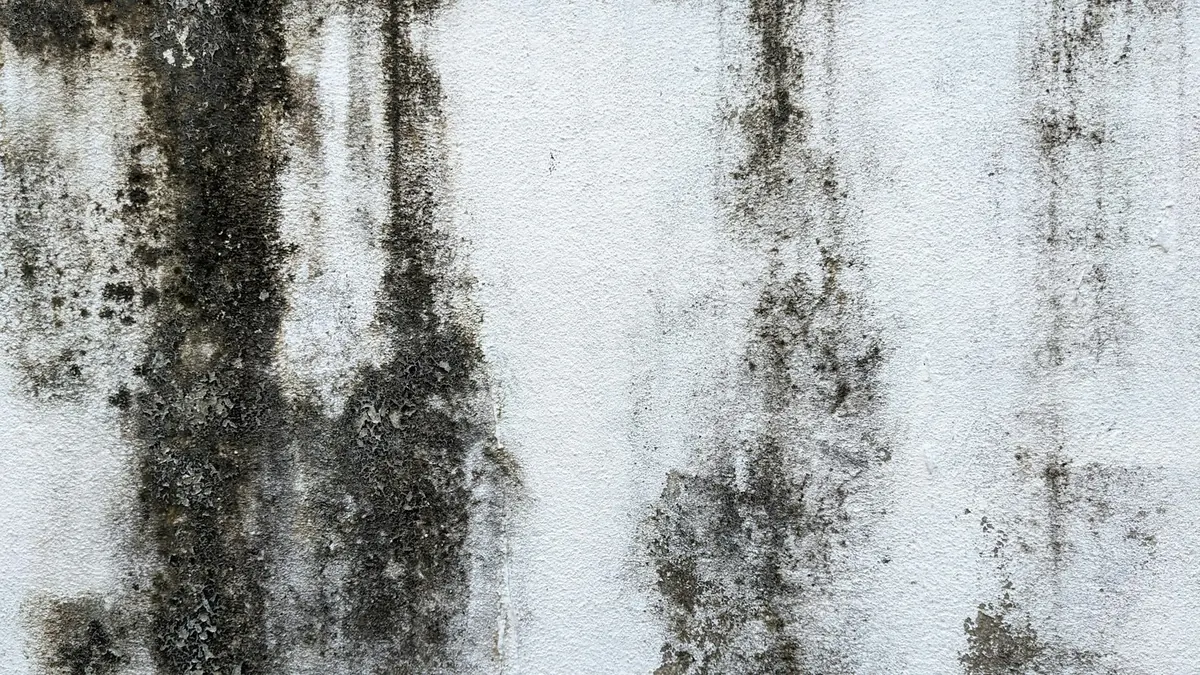
Understanding Black Mold Removal Services in East Highland
Mold cleanup covers your cabinets and framing as well as ceilings and walls. Sound surfaces stay for cleaning and drying. Removal takes out damaged drywall plus any other unsalvageable porous material.
Containment protects your debris route along with your rooms. Dampness is traced in affected cavities and behind cabinetry through moisture checks. A written scope details the limits of removal, cleaning of surfaces and moisture repairs listed separately.
CDC cautions that mold color by itself cannot establish how risky it is. A lab must identify black mold because photos cannot determine species. Stachybotrys chartarum is a type associated with the term black mold.
- Wall and ceiling growth assessed
- Damaged drywall removal
- Cleaning for sound framing and non-porous surfaces
- Debris removed under containment with HEPA filtration
- Moisture control and final cleaning
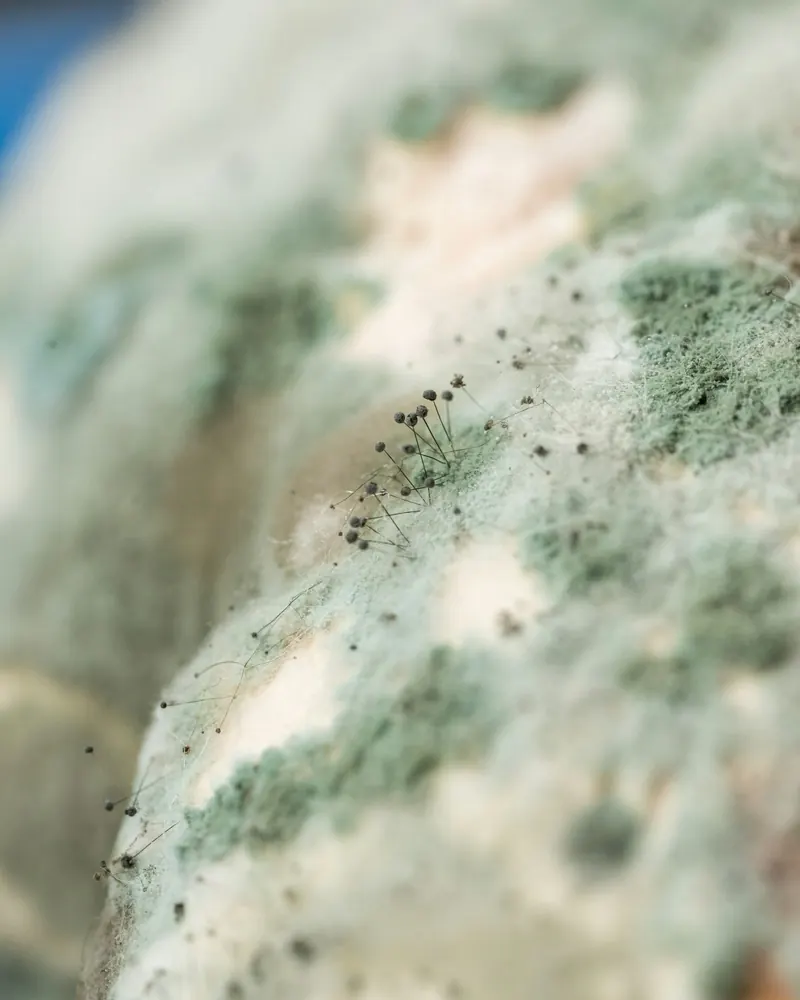
Recognizing the Need for Black Mold Removal
Your reasons for scheduling an assessment include damaged surfaces, lasting moisture and recurring dark spots.
Black Mold on Drywall
Dark growth beside water-damaged drywall or baseboards may spread past the patch you see.
Dark Growth Behind Cabinets
Your cabinet backs may develop growth after concealed leaking or continuing condensation.
A Damp Wall With Musty Odor Nearby
Hidden damage may be behind a lingering smell paired with damp finishes or bubbling paint.
Growth Returning After Cleaning
Unresolved moisture lets the same patches return to your trim or walls.
Black Mold on Ceiling Surfaces
Ceiling stains bordered by dark spots can appear when plumbing or roofs leak.
Understanding the Steps of Black Mold Remediation in East Highland
Your cleanup follows moisture at its source and the materials it affects, ending with verification.
Black Mold Inspection
Your rooms are inspected, with a moisture meter helping map the damage. You can guide moisture checks with a thermal imaging camera, but mold cannot be identified.
Moisture Source and Scope
Affected cavities undergo assessment, as do condensation and leaks. Your remediation protocol defines removal, cleaning and separate moisture repairs before surfaces are opened.
Contained Work Area
A containment barrier uses poly sheeting. To reduce spreading mold spores and dust, negative air pressure works alongside a HEPA air scrubber.
Removal of Affected Drywall
For demolition of damaged materials, the cleanup crew wears protective equipment. Bag unsalvageable paper-faced drywall, ceiling tiles plus insulation while inside containment.
Black Mold Cleaning
Cleaning covers non-porous surfaces and sound wood. A HEPA vacuum removes settled particles; antimicrobial treatment, if specified, does not replace physical removal.
Controlled Drying
Once cleaning finishes, drying receives support from drying equipment that includes controlled air movers and a dehumidifier. As the water issue is fixed, moisture readings measure drying progress.
Final Checks and Verification
Cleaning and dryness are checked. An independent assessor carries out post-remediation verification if clearance testing is called for, with air sampling determined by your scope.
Containment Removal
Removing containment follows completed drying, cleaning and the agreed verification. After cleaning, your area becomes available for replacement materials and finish repairs under a separate scope.
Choosing Denver Mold Cleanup for Your Black Mold Removal
Clear Scope for Your Property
Removal, cleaning and separate repairs are explained before work starts.
Contained Black Mold Mitigation
HEPA filtration and containment are tailored to the affected rooms and your route for debris.
Removal Through Final Checks
Damaged material is removed; cleaning, drying and verification precede containment removal.
Moisture Before Surface Cleaning
Your assessment follows dark growth back to the underlying water issue before cleaning starts.
Calls Answered 24/7
Day or night, a single number gets your cleanup started throughout Greater Denver.
Preparing for Black Mold Cleanup in Denver County
Keep affected materials undisturbed while your assessment is arranged.
- Limit access. The affected area must stay off limits to people and pets.
- Leave damaged material in place. Refrain from scraping growth or opening walls with mold yourself.
- Avoid wet electrical equipment. Keep clear of water around wiring, fixtures or electrical outlets.
- Keep debris contained. Do not carry exposed moldy drywall or carpet through occupied rooms.
- Leave suspect HVAC off. Do not operate HVAC equipment when contamination by mold is suspected; EPA cautions that operation could disperse mold.
Black Mold Removal Cost for Your East Highland Property
Your price follows damage, area and access. These published ranges separate removal from inspection. The general cost per square foot is another pricing reference, not an added charge or a property quote.
Black mold (Stachybotrys chartarum), average removal
$800 to $7,000 per jobSource: Fixr, Mold Remediation Cost (checked 2026-10-23)Black mold inspection
$600 to $800 per inspectionSource: Fixr, Mold Inspection Cost (checked 2026-10-23)Professional pricing when areas surpass about 10 square feet
$10 to $30 for each square footSource: Fixr, Mold Remediation Cost (checked 2026-10-23)Understanding What Shapes Black Mold Cleanup Cost
- Containment and HEPA filtration
- Affected square footage
- Access behind walls or cabinets
- Volume of damaged materials
- Separate testing and moisture repairs
- Drying and replacement finishes
Discuss Your Black Mold Remediation Cost
These published national ranges are planning figures. Your on-site assessment defines the work and price before cleanup starts, including any separate source repairs or rebuilding.
Call (844) 352-3560 about costBlack Mold Removal Service Area Across Greater Denver
Call (844) 352-3560 to arrange cleanup in East Highland or nearby communities. One number covers the metro.
Black Mold Removal in Locations Near East Highland
ZIP codes
What People Ask About Black Mold Removal in East Highland
What does cleanup cost in Denver County?
The affected area and required material removal, together with access, shape your black mold cost. Published ranges, units and sources appear in the cost cards above. Moisture repair and rebuilding are distinct job components, as are inspection and testing. You learn which charges apply from your scope before the job begins.
What is the cleanup timeline for your East Highland property?
Inspection of hidden damage and affected surfaces comes before setting your schedule. Removing drywall and drying the cavity differs from cleaning a wall you can reach. Drying time depends on moisture readings. When you can rebuild or use your rooms depends on required leak repairs and verification as agreed.
Must drywall be removed whenever you find a dark patch?
No. Removal depends on moisture, material condition and how far growth extends, not color alone. You may need to remove moldy paper-faced drywall; sound framing and accessible hard surfaces can instead receive cleaning and drying. Your assessment defines boundaries so new finishes do not conceal remaining growth.
Can you stay home while the work is underway?
Staying may be possible if the rooms you occupy are isolated from containment and the path for debris. Restrictions on access reflect household needs, shared ventilation and the arrangement of your rooms. Some jobs require temporary accommodation. These plans are settled ahead of removal, maintaining separation between the work zone and essential rooms and exits.
Should you get a black mold test before removal or once cleanup ends?
For visible mold, EPA usually considers sampling unnecessary. Inspection determines the moisture source and affected area; a specific testing question is answered by a mold sample. Containment is taken down only after post-cleanup checks of cleaning and drying. If your scope calls for clearance testing, an independent assessor conducts the tests.
Does cleanup include fixing the moisture issue?
The moisture source is located in the assessment, with needed fixes defined alongside cleaning and removal. Your scope must list plumbing, roof or ventilation repairs for those repairs to be included. Separate repairs are established ahead of the work so an unfixed water issue does not keep affecting cleaned surfaces and replacement materials.
Could dark growth reappear after cleaning?
Mold may grow again when the source of dampness stays uncorrected. Leaks, damp cavities and condensation are the starting points for your cleanup. New finishes go on only after affected materials have been removed or cleaned and dried. Completing repairs for moisture and maintaining humidity control help prevent a repeat of the conditions.
Black Mold Cleanup and Insurance in Colorado
Insurance coverage depends on the moisture cause, exclusions, mold limits and deductible. Removal and rebuilding may receive different coverage decisions.
Black Mold Cleanup in Greater Denver: Safety Considerations
Containment limits particles spreading during your cleanup, alongside access controls.
Black Mold Dangers and Color
CDC explains that mold color cannot indicate the level of risk.
Contaminated Water
Sewage or contaminated water calls for a professional experienced with those conditions under EPA guidance.
Black Mold in Walls
A moisture meter locates dampness without determining whether hidden mold is present. Affected cavities need inspection.
Sensitive Occupants
Mold can trigger allergy and asthma symptoms in some people. People with weak immune systems, asthma or lung disease are more at risk.
Cleanup scope: EPA says areas under about 10 square feet can often be cleaned by the homeowner. Larger areas, extensive water damage and HVAC involvement call for professional assessment.
Material Removal as Part of Black Mold Cleanup in Denver County
Your materials may stay based on their condition and access. Their color is not enough to determine removal.
Damaged Porous Materials
- You may need to discard moldy drywall, ceiling tiles or carpet rather than rely on surface cleaning.
Sound Wood Framing
- Sound framing is cleaned and dried; deteriorated wood needs a repair assessment.
Non-Porous Surfaces
- Glass, metal and glazed tile can often be cleaned; backing is assessed separately.
Black Mold Cleanup Timing in Denver County
Removal requirements, final checks and moisture readings set your timetable.
- Access and removal: Opening a damaged wall or reaching behind cabinets adds work.
- Drying: Remaining dampness and unresolved leaks delay closing walls or ceilings.
- Verification: The start of rebuilding is affected by testing requirements agreed upon and any laboratory findings.
After Cleanup in East Highland: Lingering Musty Odors
Fragrance will not resolve your odor's cause. A lingering smell calls for checks of damp materials and hidden mold growth.
EPA recommends indoor relative humidity below 60 percent, ideally 30 to 50 percent. A dehumidifier supports moisture control but does not replace leak repairs.
Black Mold Cleanup Requirements for Your Colorado Property
Work Requirements
Colorado does not appear to have a statewide license for mold assessors or remediators. A 2025 bill that would have had the state register them did not pass, so it is worth asking any contractor about their training and checking local contractor rules.
EPA Guidelines for Drying
Within 24 to 48 hours, get water-damaged areas and items dry to prevent mold growth.
Testing Limits
Federal rules set no limit on indoor mold levels. Testing cannot confirm compliance with a universally safe numerical threshold.
State Mold Information
The Colorado Department of Public Health and Environment (CDPHE) is the state health agency that EPA lists as Colorado's indoor air quality contact.
State guidance: Colorado General Assembly, HB19-1170 Residential Tenants Health & Safety Act (summary as enacted); Colorado General Assembly, SB24-094 Safe Housing for Residential Tenants (summary as enacted); Colorado General Assembly, HB25-1202 Increasing Public Awareness of Mold Health Effects (lost); EPA, Who can test my home or clean, fix and remediate my home for mold?; EPA, Region 8 state indoor air quality contacts (PDF)
Related Services and Next Steps
Start Your Black Mold Removal in East Highland
Call 24/7 to arrange your assessment. Your cleanup starts with the affected surfaces, moisture source and access to your home.