Bathroom Mold Removal in Denver, CO
Get mold cleared from the caulk, walls, grout and ceilings of your Denver bathroom. To arrange an assessment before concealed damage grows, call 24/7 for help.
- Moisture source checked first
- Containment and HEPA filtration
- Clear removal and repair scope
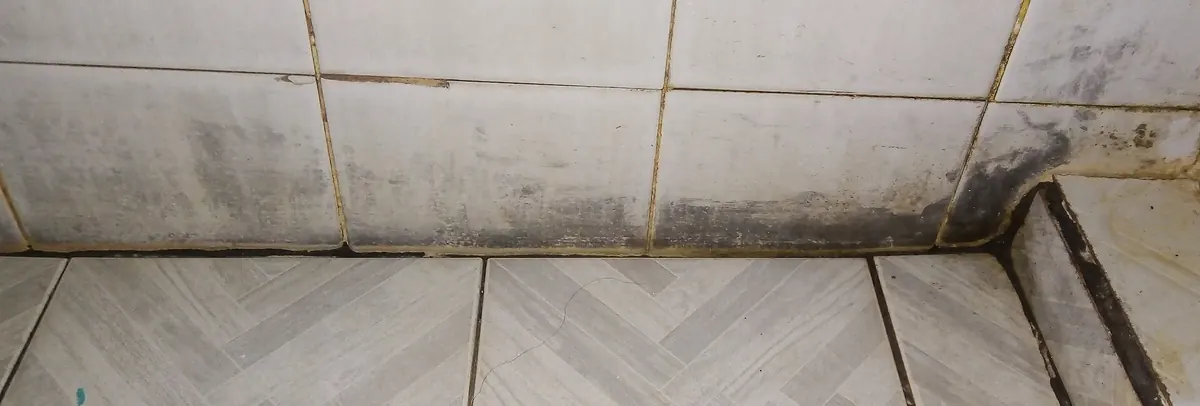
Bathroom Mold Removal Services for Your Denver Home
Your cleanup covers growth on bathroom walls and ceilings, shower surrounds, vanity cabinets and tub surrounds. Cleaning follows an investigation into the moisture source.
Your sound tile and joints receive cleaning and drying, followed by resealing only if included in the scope. Removal covers moldy caulk and grout beyond saving. Any damaged material behind the tile is uncovered within containment.
Different repairs address a shower that leaks, mold on your bathroom ceiling and ventilation that falls short. Hidden moisture is traced at assessment. Cleanup and separate finish or plumbing repairs are defined in a written work scope before the job begins.
- Shower mold cleanup and cleaning around your tub
- Grout, caulk and joint treatment
- Ceiling and shower wall cleaning
- Vanity and behind-tile assessment
- Contained drywall removal and drying
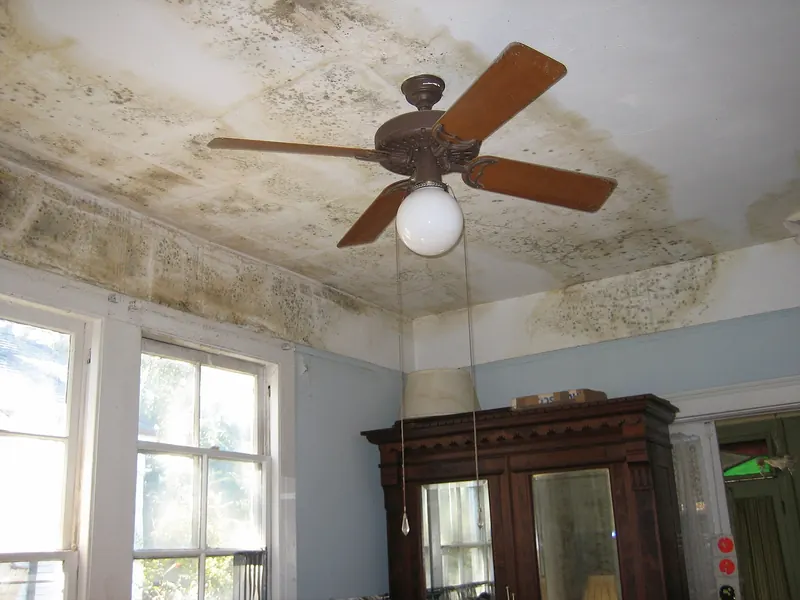
Signs You Need Bathroom Mold Removal
A musty bathroom, spots that return or damp surface finishes call for more than fresh paint.
A Bathroom Remodel That Exposes Growth
You may uncover affected materials inaccessible to surface cleaning when tiles come off.
Black Spots Return After Cleaning
Mold in shower joints recurs if moisture lingers behind the grout or caulk.
Musty Smell After Showers
Persistent odor and condensation can point to trapped moisture even without visible mold.
Soft Drywall Beside the Tub
Damage behind the tub may show as softened bathroom walls, loosened tile or swelling in vanity backing.
Bathroom Ceiling Showing Peeling Paint
Moisture above your ceiling finish may accompany water stains, bubbling paint or mold on bathroom ceiling surfaces.
How Bathroom Mold Removal Works
After your assessment comes removal under containment, followed by cleaning, drying and a final check.
Call and Bathroom Assessment
Your call starts with the affected surfaces and bathroom access. Damp areas are mapped with a moisture meter; temperature differences may be located using a thermal imaging camera, which cannot identify mold.
Moisture Source and Scope
Checks address the exhaust route, sink and shower. Plans for cleanup specify ventilation corrections and leak repair before any work begins.
Bathroom Containment
Poly sheeting surrounds the work area to create a containment barrier. Protective equipment works alongside a HEPA air scrubber and negative air pressure to restrict dust spread as removal proceeds.
Damaged Material Removal
Cabinet backing beyond salvage, caulk with mold and damaged drywall behind shower tile come out when necessary. Before debris leaves your bathroom, bags enclose the waste within containment.
Surface Cleaning
A HEPA vacuum and damp cleaning remove growth and residue from sound surfaces. Antimicrobial treatment, when appropriate, supplements cleaning rather than replacing it.
Controlled Bathroom Drying
A dehumidifier and air movers support drying within the contained area. Moisture readings monitor progress ahead of finish repairs and replacement of materials.
Post-Remediation Check
Containment remains until drying, cleaning and the agreed post-remediation verification are complete. When clearance testing is included, an independent assessor performs it.
Bathroom Mold Removal: Why Choose Denver Mold Cleanup
Removal Through Final Checks
Damaged material is removed instead of painted over, and cleaning and drying are checked before containment comes down.
Bathroom Moisture First
Tracing dampness during your pre-removal assessment shapes cleanup to address the source together with the visible growth.
Calls Answered 24/7
You can start your bathroom cleanup with one number for the whole metro, day or night.
Clear Scope and Contained Work
Your affected area determines suitable containment and HEPA filtration, with the scope explained ahead of the work.
Preparing for Bathroom Mold Removal in Denver County
Arrange your assessment with a call. Do not disturb the affected surfaces.
- Stop using leaking fixtures. Avoid electricity near wet areas.
- Keep the work area clear. Keep children and pets away from visible mold growth.
- Leave finishes in place. Do not start tear out, sanding or dry brushing.
- Avoid blowing on growth. Keep fans pointed away from mold; do not operate HVAC equipment suspected of contamination.
- Limit fresh water damage. EPA recommends drying areas and belongings damaged by water within 24 to 48 hours for mold growth prevention.
Understanding Bathroom Mold Removal Cost in Denver
Your cleanup cost varies with how much area is affected and how accessible it is behind fixtures. Nationally published ranges compare surface work with cleanup behind vanities or tubs.
Bathroom mold removal
$500 to $1,000 per jobSource: This Old House, Mold Remediation Cost (cost data credited to Angi) (checked 2026-10-23)Surface mold; mold behind a vanity or tub can cost up to $8,000
$500 to $8,000 per jobSource: Bob Vila, Mold Remediation Cost (cites Angi and HomeAdvisor) (checked 2026-10-23)Denver Bathroom Mold Cleanup Cost Factors
- Tile, drywall and finish replacement
- Leak repair and ventilation work
- Reaching areas behind the tub or vanity
- Affected square footage
- Containment and HEPA filtration
Pricing Your Bathroom Cleanup
These published national ranges are planning figures. Your on-site assessment defines the work and price before cleanup starts, including any separate source repairs or rebuilding.
Call (844) 352-3560 about costBathroom Mold Removal Service Area Across Greater Denver
Call (844) 352-3560 to arrange cleanup in Denver or nearby communities. One number covers the metro.
Community Coverage for Bathroom Mold Removal in Greater Denver
Neighborhood Access to Bathroom Mold Removal in Denver
Common Questions About Bathroom Mold Removal in Denver
Does cleanup also address the bathroom's moisture problem?
Assessment identifies your moisture source, with required corrections outlined ahead of cleanup completion. Plumbing repairs, exhaust work and waterproofing are included only if your scope lists those tasks. Separate repairs are identified before work begins to keep new finishes from covering an unresolved leak.
What does bathroom cleanup cost in Denver County?
Pricing is established after assessing the damaged surfaces and hidden damage on-site. The cost cards published above list sources and units for national pricing ranges. Drying, containment and replacing finishes can affect the total, as can reaching behind a tub. You get scope and pricing details ahead of the work.
How long does bathroom cleanup take in Denver?
Assessment comes before setting your work schedule. Cleaning a surface differs from work that opens a shower wall, takes out drywall and dries the cavity. Drying duration depends on moisture readings. Access to your bathroom remains restricted through cleaning, verification and completion of repairs required for use.
Can bathroom mold come back after cleaning?
Mold may grow again when you leave the water problem unresolved. Begin cleanup by addressing the moisture source: leaks, exhaust issues and condensation. Affected surfaces are cleaned and dried before repairs close them in. Completed leak repairs and continued bathroom humidity control help keep those same conditions from returning.
Can the drywall or tile stay in place?
When only reachable surfaces have growth, intact tile can often remain. Damaged drywall, loose tile backing or moldy material inside a wall may need removal. Actual damage guides removal, not a stain's color; your assessment determines what needs opening and what can be cleaned.
Is testing necessary ahead of or following bathroom cleanup?
Visible mold often does not need air sampling under EPA guidance. Inspection identifies your moisture problem and the surfaces affected. After removal, cleaning and drying are checked before containment comes down. If clearance testing is specified, an independent assessor performs it. Federal limits do not exist for indoor mold levels.
Can you use the bathroom during cleanup?
Keep your affected bathroom unused during containment, removal and cleaning work. Another bathroom may remain available if access avoids the work area. Whether you can practically stay home depends on household needs, shared ventilation and your layout. Reopening comes after required repairs and final checks.
Bathroom Mold Cleanup Insurance Considerations in Colorado
Your homeowners policy's exclusions, deductible, mold limits and the cause of moisture determine coverage. Decisions may differ for rebuilding, cleanup and repairs to the moisture source.
Mold Safety for Bathrooms in Greater Denver Homes
Containing the work area reduces the spread of spores when moldy surfaces are disturbed.
Sensitive Occupants
CDC notes that, for some people, mold may trigger symptoms of allergies and asthma.
Bathroom Dust Control
HEPA filtration helps manage particles as cleaning and removal proceed.
Mold Color
CDC says color does not tell you how risky a mold is.
Hidden Bathroom Damage
A clean tile surface does not reveal how the backing has fared.
Cleanup scope: For areas below about 10 square feet, EPA says homeowner cleanup is often possible. Mold from sewage or contaminated water, larger areas and HVAC systems require professional assistance.
Cleaning or Removing Bathroom Materials in Denver County
Sound surfaces are cleaned where possible; damaged porous materials may need removal.
Non-porous surfaces
- Sound glass, glazed tile and metal are cleaned and dried.
Porous materials
- You may retain sound wood framing after cleaning; damaged drywall or swelling cabinet backing may need to come out.
Bathroom finishes
- Replace affected grout and caulk after cleaning and drying, removing the materials when needed.
How Long Bathroom Cleanup Takes in Denver
Access and removal affect scheduling, as do drying and repairs once remediation is done.
- Access: Extra work may result from removing tile and fixtures.
- Drying: Moisture readings establish when repairs can begin.
- Reopening: When your bathroom becomes usable depends on final checks and replacement finishes.
Bathroom Humidity and Odor in Denver
Your assessment checks the cause of mustiness. Adding fragrance cannot remove that source.
EPA advises indoor relative humidity of less than 60 percent, with 30 to 50 percent as the ideal range. Your bathroom still needs a working exhaust fan even with a dehumidifier.
Bathroom Cleanup Work Requirements in Colorado
Bathroom Work Requirements
Colorado does not appear to have a statewide license for mold assessors or remediators. A 2025 bill that would have had the state register them did not pass, so it is worth asking any contractor about their training and checking local contractor rules.
Repair Permits
Your permit requirements vary with the electrical, building or plumbing tasks involved.
Rental Bathrooms
Since 2025, Colorado rental agreements are to say where a tenant can report or deliver written notice of an unsafe or uninhabitable condition, so renters can start with that notice to the landlord.
State Mold Information
The Colorado Department of Public Health and Environment (CDPHE) is the state health agency that EPA lists as Colorado's indoor air quality contact.
State guidance: Colorado General Assembly, HB19-1170 Residential Tenants Health & Safety Act (summary as enacted); Colorado General Assembly, SB24-094 Safe Housing for Residential Tenants (summary as enacted); Colorado General Assembly, HB25-1202 Increasing Public Awareness of Mold Health Effects (lost); EPA, Who can test my home or clean, fix and remediate my home for mold?; EPA, Region 8 state indoor air quality contacts (PDF)
Find Related Mold Removal Services for Denver, CO
Start Your Bathroom Mold Removal in Denver
Call 24/7 to arrange your assessment. Your cleanup starts with the affected surfaces, moisture source and access to your home.